Rare Finds and Limited Runs: Inside America's Growing Obsession With Collecting Oversized Caps
Rare Finds and Limited Runs: Inside America's Growing Obsession With Collecting Oversized Caps
There's a moment every serious cap collector knows. You're digging through a bin at a weekend flea market in Atlanta, or maybe you're refreshing a browser tab at 11:59 AM waiting for a drop to go live, and then — there it is. The one. The cap that makes your pulse jump and your wallet open without hesitation. For a growing community of headwear enthusiasts across the United States, that moment is everything.
Oversized caps have quietly evolved from something you throw on before heading out the door into full-blown collector's items. And the people chasing them? They're as serious about their hobby as sneakerheads or vintage vinyl hunters. Maybe more so.
From Everyday Accessory to Cultural Artifact
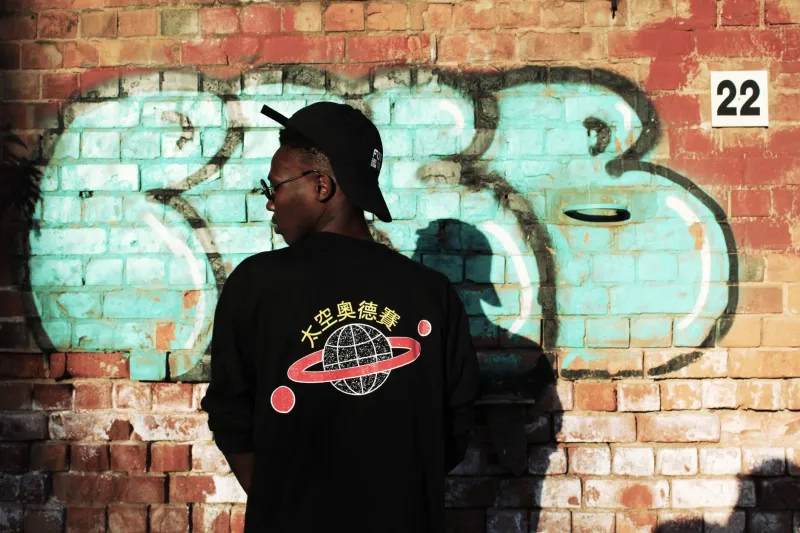
It didn't happen overnight. For decades, the oversized cap lived in the background — a staple of hip-hop culture, skateboarding scenes, and working-class neighborhoods where function mattered as much as fashion. But somewhere along the way, the cap started accumulating meaning beyond its brim.
Collectors point to the early 2000s as the turning point, when certain caps tied to specific artists, sports moments, or regional identities started disappearing from shelves and reappearing on resale sites at two or three times their original price. People weren't just buying headwear anymore. They were buying stories.
"A cap isn't just fabric and a brim," says Marcus, a 38-year-old collector based in Chicago who has amassed over 200 oversized hats over the past decade. "Every one of mine has a context. This one I found at a swap meet in Pilsen the same week my daughter was born. That one dropped the day my favorite rapper released his best album. You can't put a price on that kind of connection."
Marcus isn't alone. Online communities dedicated to oversized cap collecting have exploded across Reddit, Discord, and Instagram, with members trading tips on upcoming drops, authenticating vintage pieces, and debating the finer points of brim width, crown height, and fabric quality with the kind of expertise that would impress any fashion historian.
What Makes a Cap Worth Chasing
Not every oversized cap becomes a collector's item. So what separates the grails from the everyday wearers?
Limited availability is the obvious factor. When a brand drops only 500 units of a wide-brim cap in a colorway nobody's ever seen before, scarcity does the work. But collectors will tell you that rarity alone doesn't make something special.
Provenance matters enormously. A cap tied to a cultural moment — a specific tour, a championship season, a neighborhood institution — carries weight that a mass-produced piece simply can't replicate. Vintage caps from defunct brands are especially prized, particularly those from regional manufacturers that operated out of cities like Detroit, Houston, or Los Angeles during the 80s and 90s.
Condition is another big one. A deadstock cap — still in its original packaging, tags intact, never worn — can fetch serious money. But even well-worn pieces have their advocates. Some collectors specifically seek out caps with character: faded brims, sweat-stained bands, and creases that speak to a life actually lived.
"I've got a beat-up trucker cap from a defunct Houston rap label that I wouldn't trade for anything in my collection," says Destiny, a 29-year-old collector and vintage reseller in Houston. "It's not pretty. But it's real. It tells you exactly where it's been."
The Flea Market Circuit
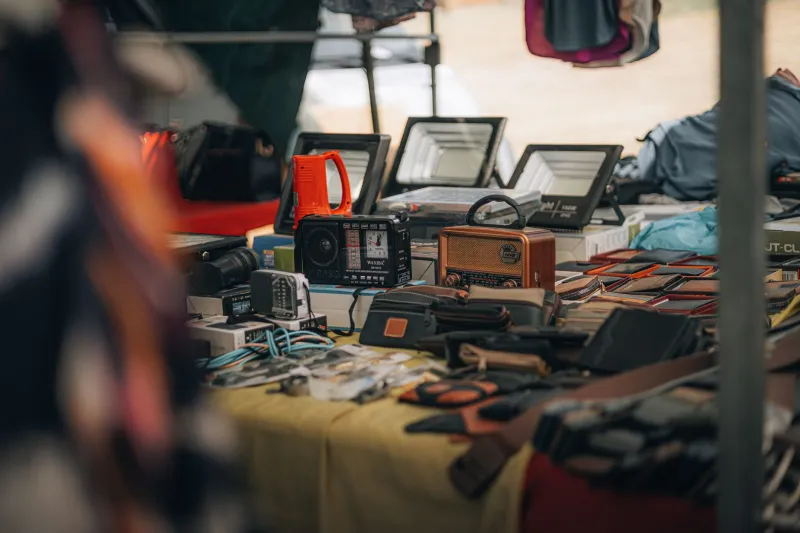
For many collectors, the hunt is as satisfying as the find. The flea market circuit — a loose network of weekend markets, estate sales, and swap meets that stretches from Alameda, California to the Rose Bowl in Pasadena to the markets tucked into strip malls across the South — is where some of the most significant discoveries happen.
Patience is the primary skill. You might spend three hours combing through bins of generic caps before spotting something that stops you cold. But when it happens, the reward feels disproportionate to the effort. That's the magic of the hunt.
Seasoned collectors develop an eye over time. They know which vendors are worth revisiting, which regions tend to yield certain types of caps, and how to spot a reproduction from across the table. They also know how to negotiate — though they'll tell you the best sellers already know what they have.
Drop Culture and the Digital Chase
On the opposite end of the spectrum from dusty flea market bins sits the modern limited-edition drop. Brands release exclusive oversized cap styles with almost no advance notice, and the window to cop one can close in under two minutes. It's stressful, exhilarating, and deeply communal.
Drop communities gather in Discord servers and group chats, sharing links, monitoring inventory updates, and celebrating or commiserating together when the dust settles. There's a genuine camaraderie in the chaos — a shared language built around refresh rates, checkout flows, and the particular sting of a size selling out right as you're entering your payment info.
"The drop culture has brought a whole new generation into collecting," says Jordan, a 24-year-old collector from Brooklyn who started buying caps during the pandemic. "People who never would've gone to a flea market are now deep in the hobby because they copped something limited and felt that rush. It's a gateway."
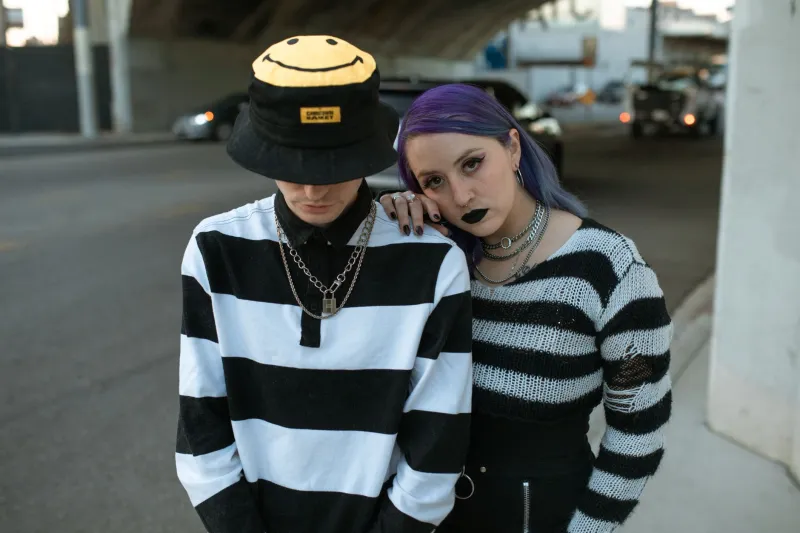
For Jordan, the two worlds — vintage hunting and drop chasing — aren't in competition. They're complementary. The skills transfer. The appreciation for craftsmanship, rarity, and cultural context applies whether you're holding a 1993 snapback or a 2024 limited-run bucket hat with a brim wide enough to block out the whole afternoon sun.
Community Is the Real Collection
Ask any serious collector what they value most about the hobby, and the answer is rarely the caps themselves. It's the people.
Collector meetups — informal gatherings at barbershops, record stores, and community centers — have become regular fixtures in cities like LA, Chicago, Houston, and New York. People bring their grails, swap stories, trade pieces, and argue passionately about what qualifies as truly oversized versus merely large. (The consensus, for what it's worth, seems to involve brim width, crown volume, and a certain undeniable presence when the cap enters the room.)
Online, the community is just as tight. Forums dedicated to authentication help newer collectors avoid fakes. Veteran enthusiasts mentor beginners on what to look for and where to look. Trades happen across state lines, cemented by nothing more than a handshake agreement and mutual trust built over months of shared conversation.
Why It Matters
At its core, oversized cap collecting is about preservation. These aren't just accessories being hoarded for status. They're pieces of American cultural history — artifacts of specific places, times, and communities — being kept alive by people who understand their significance.
Every wide brim holds a story. Every worn-in crown carries the memory of whoever wore it before. And every collector chasing the next great find is, in their own way, making sure those stories don't get lost.
That's not a small thing. That's a legacy worth building — one cap at a time.