Your Cap, Your Rules: Inside America's Obsession With Custom Oversized Headwear
Your Cap, Your Rules: Inside America's Obsession With Custom Oversized Headwear
There's something that hits different about pulling on a cap that nobody else on the planet is wearing. Not a limited-edition drop, not a collab with a hype brand — something you made, or had made specifically for you. That feeling is driving one of the most exciting underground movements in American streetwear right now: the rise of the custom oversized cap.
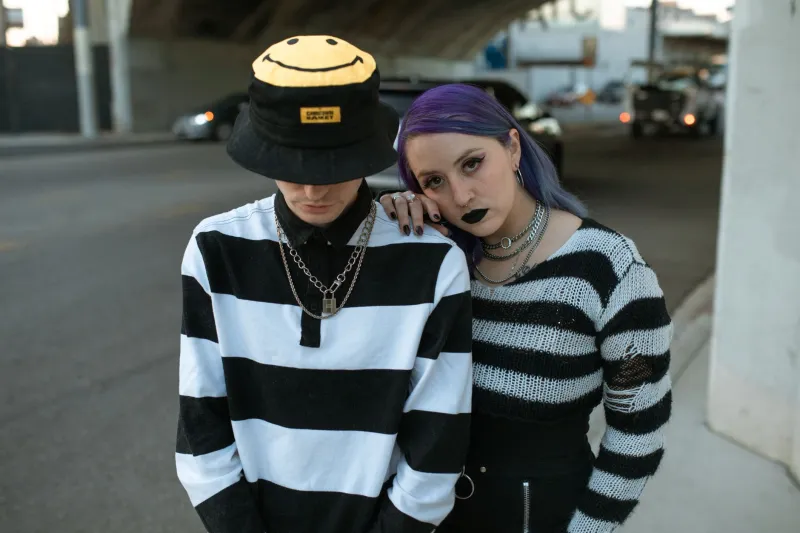
Walk through any major city's weekend market — the ones in Melrose, in Brooklyn's Bushwick neighborhood, along Chicago's Milwaukee Avenue — and you'll spot them immediately. Caps with hand-lettered phrases curving around the brim. Bucket hats covered in iron-on patches like a denim jacket from another era. Snapbacks with oil-painted landscapes bleeding across the panels. These aren't mass-produced. They're statements. And the bigger the cap, the louder that statement tends to get.
Why Oversized? Why Now?
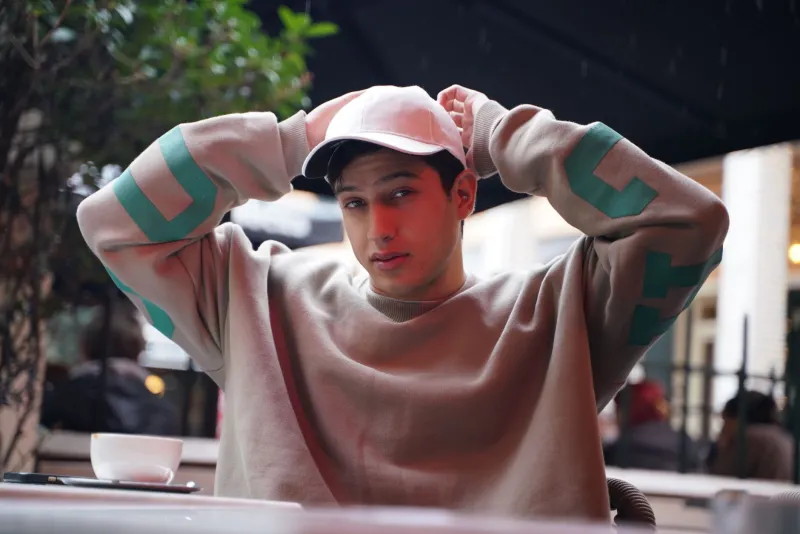
The oversized silhouette has always carried a certain energy — roomy, confident, unapologetically bold. But it also happens to offer something that a standard fitted cap simply doesn't: real estate. More panel space. A wider brim. A deeper crown. For anyone looking to customize, that extra surface area is everything.
Think about it like choosing a canvas. You wouldn't try to paint a mural on a notecard. The oversized cap gives artists and DIYers room to actually work — to layer embroidery without crowding it, to run a graphic across multiple panels, to make a brim feel like its own standalone piece of art. That's a big part of why this particular silhouette has become the go-to for the custom headwear crowd.
There's also a cultural timing thing happening here. After years of fast fashion fatigue and algorithm-fed aesthetics, a lot of Americans — especially younger ones — are craving something that can't be replicated with a screenshot and a cart button. Customization is the antidote. It's slow, intentional, and deeply personal.
The Makers Behind the Movement
Across the US, a new wave of small-batch cap customizers is quietly building serious followings. These aren't big operations. Most are one or two-person studios working out of apartments, garages, or shared creative spaces — and that's exactly what makes them special.
In Atlanta, artists are fusing Southern Gothic imagery with streetwear sensibility, hand-painting oversized caps with kudzu vines, magnolia blooms, and bold typography that references everything from trap music to Civil Rights history. In Los Angeles, you've got customizers pulling from lowrider culture and Chicano art traditions — intricate linework, vibrant color palettes, and religious iconography that turns a cap into something almost devotional.
Up in Detroit, where DIY culture runs deep in the city's DNA, you'll find makers using heat-press machines in their living rooms to produce small runs of caps that reference the auto industry, techno music, and the city's complicated, beautiful resilience. And in New York — always New York — the patchwork approach is huge. Vintage patches sourced from thrift stores and flea markets, combined with custom embroidery, create caps that feel like they carry actual history.
What all these creators share is a belief that the cap isn't an accessory. It's the centerpiece.
DIY 101: How to Start Customizing Your Own Cap
You don't need to be a professional artist or have a full studio setup to get into cap customization. The barrier to entry is genuinely low, and the results can be seriously impressive. Here's how to get started:
Start with the right base. An oversized cap in a neutral color — black, cream, olive, or navy — gives you the most flexibility. Look for caps with a structured crown and a wide, flat brim, since both surfaces take customization well. Avoid caps with heavy texture or busy patterns that'll compete with your design.
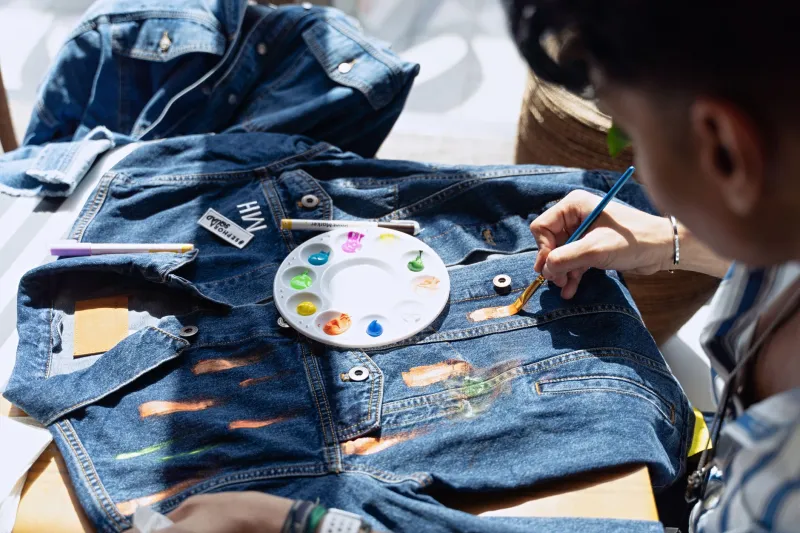
Fabric paint is your best friend. For hand-painted designs, fabric paint (not regular acrylic) is the move. It's flexible once dry, won't crack after wear, and holds up through light washing. Brands like Tulip and Jacquard are widely available at craft stores and online. Start simple — a single bold word, a graphic shape, or a color-blocked brim — and build from there as your confidence grows.
Iron-on patches add instant character. Thrift stores, Etsy, and flea markets are goldmines for vintage patches. Mix and match eras, themes, and aesthetics. Layer them across the panels or cluster them on the brim for a maximalist look. Just make sure you're using a pressing cloth and the right heat setting to get a clean bond without scorching the fabric.
Embroidery takes it to the next level. If you're willing to put in the time, hand embroidery transforms a cap into something truly heirloom-worthy. You don't need a machine — a basic embroidery hoop, some embroidery floss, and a YouTube tutorial is enough to get started. Simple stitches like the backstitch or satin stitch can produce clean, professional-looking results even for beginners.
Connect with local artists. If you'd rather have someone else bring your vision to life, seek out local customizers through Instagram, TikTok, or platforms like Etsy. Many artists who specialize in cap customization take commissions and will work with you to design something totally unique. Supporting a local maker also means your cap comes with a story — which honestly makes it even cooler.
The Cap as Cultural Document
What's most interesting about this whole movement isn't just the aesthetics — it's what people are choosing to put on their caps. Customization is inherently autobiographical. People are embroidering their hometowns, painting their ancestors' faces, heat-pressing lyrics from songs that got them through hard times. The cap becomes a kind of wearable archive.
In a culture that's increasingly digital and ephemeral, there's something powerful about a physical object that carries meaning. You can't screenshot a hand-painted brim. You can't algorithmically generate the patch your grandmother sewed onto your cap. That tangibility matters.
And because the oversized cap sits right at the top of your silhouette — literally the first thing people see — it carries that meaning at maximum visibility. You're not hiding your art in your back pocket. You're wearing it at eye level, leading with it, daring people to look.
Go Big, Go Custom
The store-bought cap will always have its place. But if you're someone who wants their headwear to actually say something — something specific, something real, something that couldn't have been made for anyone else — the custom oversized cap is where it's at.
Whether you're picking up a fabric paint brush for the first time, hunting for patches at a weekend flea market, or reaching out to a small-batch artist whose work stopped your scroll at 2am, you're participating in something bigger than a trend. You're part of a tradition of people who understood that what you put on your head tells the world exactly who you are.
So go big. Go custom. And make it undeniably, unmistakably yours.