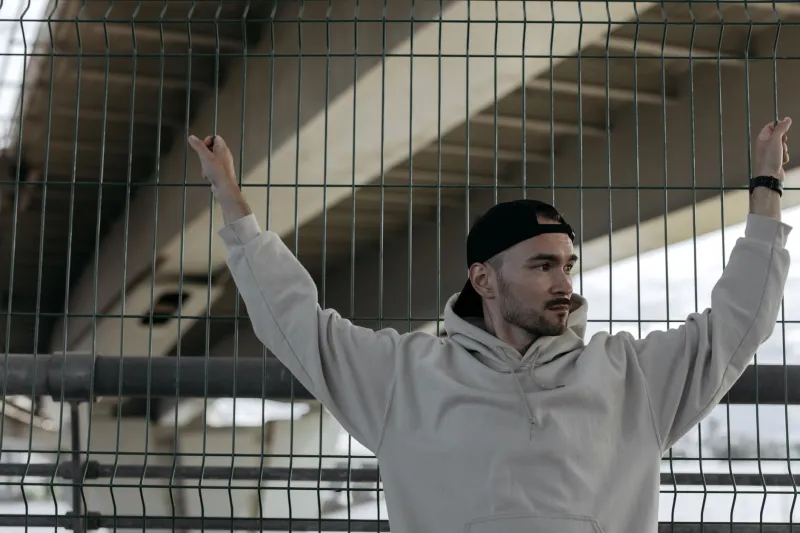
From the Sidelines to the Streets: How American Sports Culture Is Bringing Oversized Hats Back in a Big Way
American sports have always had a complicated relationship with fashion. For decades, athletes kept things relatively contained — team gear, clean fits, the occasional flashy sneaker. But somewhere in the last few years, something shifted. The tunnel walk became a runway. The post-game presser became a style moment. And sitting right on top of all of it — literally — was the oversized cap.
This isn't a coincidence. It's a cultural current, and it's pulling mainstream fashion straight into its wake.
The Tunnel Walk Changed Everything
If you've spent any time on social media in the past few years, you've seen the pre-game tunnel walk clips. NBA players especially turned the walk from the team bus to the locker room into appointment viewing. Outfits got bigger, bolder, and more intentional — and headwear became a major part of that equation.
Oversized caps started showing up as the exclamation point on fits that were already pushing boundaries. A wide-brim structured cap tipped low over a designer coat. A vintage-style oversized snapback paired with a tailored suit. These weren't random choices — athletes were working with stylists, building looks, and making deliberate statements. And fans noticed.
When a player with 8 million Instagram followers walks into an arena wearing a cap that takes up half the frame, that cap becomes a cultural artifact. People screenshot it, search for it, and try to recreate it. The ripple effect is real.
Coaches Are In on It Too
It's not just the players. Some of the most recognizable oversized cap moments in recent memory have come from coaches and team staff — guys who aren't exactly known for their fashion instincts, but who've turned their sideline headwear into a signature.
Think about how certain NFL and MLB coaches have become almost inseparable from their caps. The beat-up, broken-in, pulled-low look has a lived-in authenticity that resonates beyond sports. It says: I've been here, I've put in the work, and I don't need to explain myself. That energy translates directly to street culture, where authenticity is the whole currency.
Coaches wearing oversized caps also democratize the look. It signals that this isn't just for the young and flashy — it's for anyone who wants to lead with their identity.
Stadium Culture and the Superfan Effect
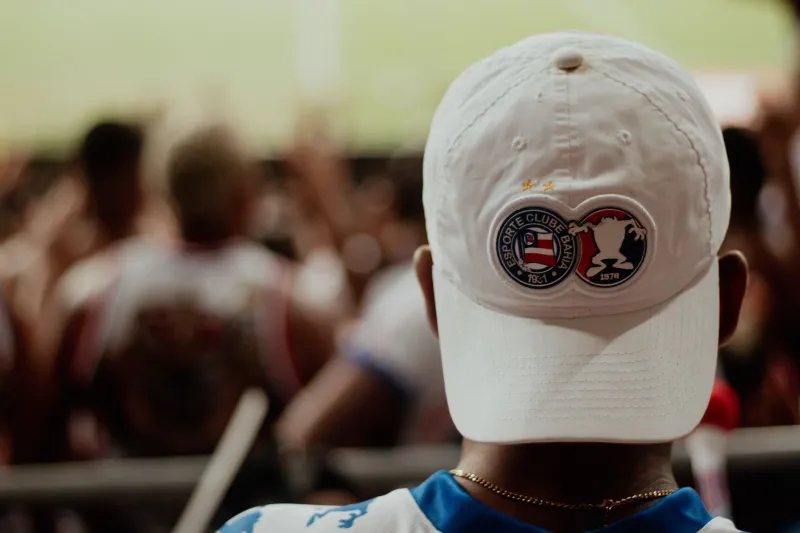
Then there's the fan side of this equation, which doesn't get talked about enough. American sports fandoms are incredibly creative subcultures, and superfans have been rocking oversized, customized, and statement headwear for years — often ahead of the mainstream curve.
Walk through the tailgate lots outside an NFL stadium on a Sunday and you'll see it clearly. People are wearing team caps that have been modified, stacked, painted, and personalized in ways that have nothing to do with the official team shop. These are declarations of identity. The size, the shape, the wear pattern — all of it communicates something specific about who that person is and where they're from.
In cities like Dallas, Philadelphia, and Chicago, sports fandom is deeply tied to neighborhood identity. Wearing your team's colors — especially in a cap that stands out — is a way of saying where you're from and what you stand for. That's not just fashion. That's culture.
The Cities Leading the Charge
Some markets are further along in this evolution than others. A few stand out.
Los Angeles has always been a place where sports and style blur together. Lakers culture, Dodgers culture — these aren't just fanbases, they're aesthetic movements. The oversized cap fits naturally into an LA wardrobe that's already built around relaxed silhouettes and bold statements.
New York brings a different energy — more aggressive, more layered. Yankees caps have been a streetwear staple for decades, but the current moment is pushing that into bigger, more exaggerated territory. The cap isn't just a nod to the team; it's the centerpiece of the fit.
Houston and Atlanta deserve serious credit for pushing the culture forward in the South. Hip-hop's long-standing relationship with sports headwear runs deep in both cities, and the influence flows both ways — athletes are borrowing from music culture, and artists are borrowing from sports aesthetics. The oversized cap sits comfortably at that intersection.
Detroit and Cleveland bring a working-class authenticity to the look that's hard to manufacture. In these cities, wearing your team's cap big and proud isn't a trend — it's been the way for a long time.
Athletes as Style Architects
Beyond the tunnel walks, certain athletes have become full-on style architects whose influence on headwear is undeniable. When a wide receiver shows up to a press conference in a cap that's clearly oversized and clearly intentional, it shifts the conversation. When a point guard posts a fit check featuring a bold, statement cap before a playoff game, it moves product and moves culture simultaneously.
What's interesting is how this influence cuts across sports. It's not just basketball anymore. Baseball players — who have always had an intimate relationship with cap culture by default — are experimenting with oversized fits and custom headwear in ways the sport hasn't really seen before. Football players are making caps part of their off-field identity in increasingly deliberate ways.
The through-line is that athletes are treating their headwear as a form of personal branding. And when your personal brand reaches millions of people, your style choices become cultural signals.
Bigger Hats, Bigger Statements
There's something worth sitting with here: why oversized, specifically? Why not just any cap?
The answer probably has something to do with what a bigger hat communicates. In a sports context, size has always signaled something — presence, authority, the willingness to take up space. An oversized cap on a stadium sideline or in a locker room interview says: I'm not trying to blend in. I'm here, I'm confident, and I want you to see me.
That energy is contagious. It's why the look has migrated so naturally from sports arenas to city streets. When fans, athletes, and cultural figures all start gravitating toward the same visual statement, it stops being a trend and starts being a movement.
What This Means for Headwear Culture
The sports-driven oversized cap revival isn't just a blip. It's a reflection of something broader happening in American style — a collective move away from the understated and toward the expressive. People want to be seen. They want their clothes, and especially their headwear, to say something before they even open their mouth.
At Grande Caps, that's been the whole point from day one. Headwear that commands attention. Fits that lead with confidence. A cap that's not an accessory but an identity.
The sports world didn't invent that idea. But right now, it's doing a pretty great job of broadcasting it to the entire country.