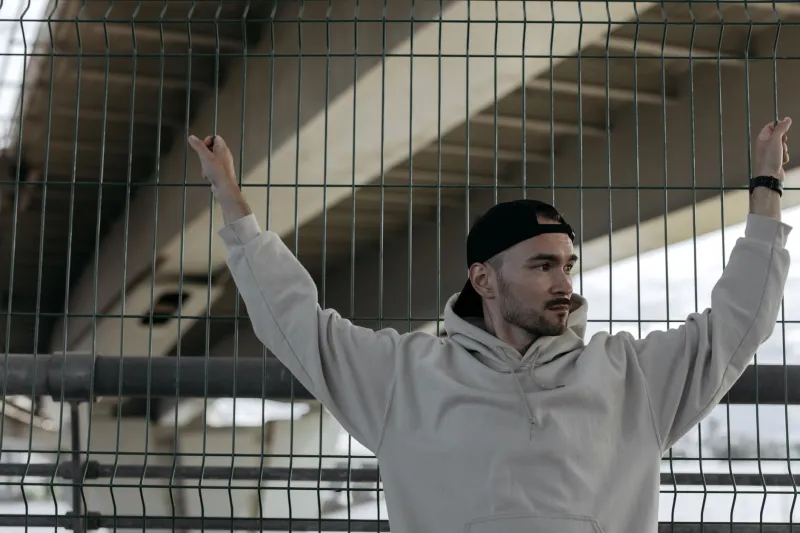
From the Block to the Runway: How Oversized Caps Took Over American Street Culture
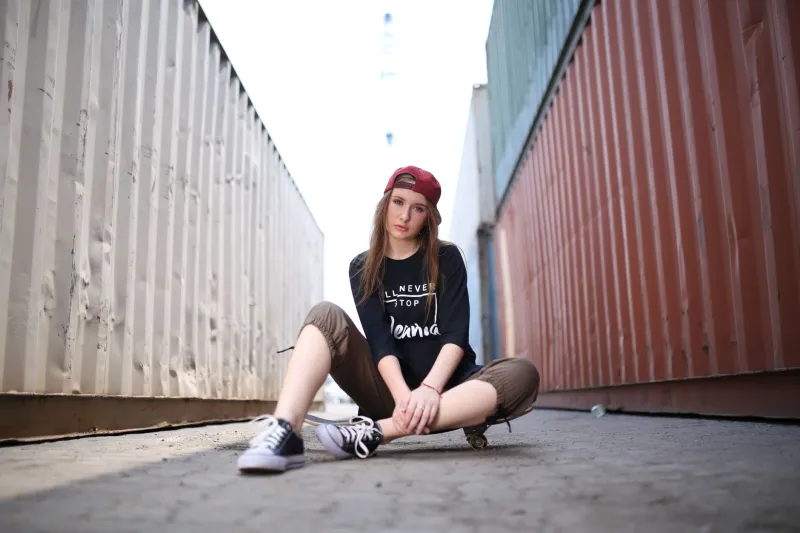
There's a moment in almost every cultural shift where something that started on the margins — in a parking lot, a skate park, a neighborhood block — finds its way to the center of everything. For oversized headwear, that moment has been building for decades. And right now, in cities from Compton to the Bronx, from Atlanta's Westside to Chicago's South Side, the big cap isn't just an accessory. It's a statement of identity.
But to understand where we are, you have to understand where it started.
The Roots: Hip-Hop and the Politics of the Fitted
American street fashion has always had a complicated relationship with headwear. In the early days of hip-hop — New York City, late 1970s through the 1980s — the cap was already loaded with meaning. Kangols, Adidas tracksuits, and gold chains weren't just clothes. They were armor, identity, and a visual language that communicated belonging to a very specific world.
By the time the 1990s rolled around, the fitted cap — especially the New Era 59Fifty — became the crown of hip-hop culture. Artists like Jay-Z, Nas, and later the entire Cash Money roster wore their fitteds cocked to the side, stickers still on the brim, as a deliberate act of style that rejected mainstream dress codes. Wearing your hat a certain way, in a certain size, meant something.
But here's the thing about subcultures: they're always pushing further. If the fitted was the standard, then going bigger — deeper crown, wider brim, more presence — was the natural next step for those who wanted to stand out even within the scene.
West Coast Influence: Where Size Started Shifting
While the East Coast was cementing the fitted as gospel, something different was happening on the West Coast. California's street culture — shaped by lowrider tradition, Chicano style, and the laid-back swagger of cities like Los Angeles and Oakland — had always favored a looser aesthetic. Caps were worn with more drape, more relaxed. The brim wasn't always snapped crisp. The crown sat a little higher.
Skate culture, which exploded out of Southern California in the late '80s and '90s, added another layer. Skaters had their own relationship with caps — wide-brim, snapback, sometimes absurdly oversized — that was less about hip-hop's precision and more about a kind of cheerful irreverence. Brands like Supreme, Thrasher, and later Palace blurred the lines between skate and streetwear, and the headwear got bolder along the way.
The West Coast, in a lot of ways, gave oversized headwear permission to be playful.
The 2000s Dip and the Comeback
For a stretch in the mid-2000s, the sleek and minimal aesthetic of the era pushed headwear into the background. Fitted caps got smaller. Trucker hats had their fifteen minutes (thanks, Von Dutch). The bold cap took a breather.
But fashion, like all cultural forces, moves in cycles. By the early 2010s, streetwear was undergoing a full-scale renaissance. Brands like Fear of God, Off-White, and A Bathing Ape were rewriting the rules of what luxury and street could look like together. Caps came back — and they came back bigger.
The wide-brim bucket hat re-emerged as a serious fashion piece. Deep-crown snapbacks showed up on runways. Oversized 5-panels started appearing on the heads of artists, athletes, and influencers who were setting the visual agenda for a new generation.
Social Media and the Acceleration of Everything
If street culture was the engine, social media was the nitrous. Instagram, and later TikTok, compressed the timeline of trend cycles in ways that would have been unimaginable to the kids trading mixtapes in the '90s.
A cap worn by a Chicago rapper in a music video on a Friday could be sold out in three colorways by Monday. A fit check posted from a Houston block in the morning could be reshared ten thousand times by afternoon. The visual nature of platforms like Instagram made headwear — which photographs dramatically and immediately — one of the most shareable elements of any outfit.
This matters specifically for oversized caps because they're made to be seen. A fitted cap can almost disappear into an outfit. An oversized cap commands the frame. It photographs with authority. In the selfie economy, that visual dominance translates directly into engagement, aspiration, and ultimately, cultural momentum.
Cities like Atlanta, Houston, and Los Angeles — each with their own distinct street style DNA — used social media to export their headwear aesthetics nationally. What might have stayed regional for years in the pre-Instagram era now spread coast to coast in days.
Identity, Authenticity, and Why the Big Cap Means More
Fashion scholars and cultural critics sometimes get tangled up trying to explain why certain garments carry meaning beyond their material function. With oversized headwear, the answer is actually pretty straightforward: size is a form of confidence.
Wearing a cap that commands attention is an act of self-assertion. In communities where visibility has historically been complicated — where being seen could mean very different things depending on context — choosing to wear something bold and expressive is a reclamation of that visibility on your own terms. It says: I'm here, I'm intentional, and I'm not shrinking for anyone.
That's a message that resonates across demographics, which is a big part of why oversized headwear has moved so far beyond its subcultural origins. The feeling it communicates — confidence, individuality, presence — is universal even if the aesthetic roots are specific.
Where We Are Now: Statement Headwear as the New Normal
Walk through any major American city today and you'll see it everywhere. The wide-brim bucket on a college campus in Austin. The oversized snapback at a pop-up in Brooklyn. The deep-crown cap outside a gallery opening in Silver Lake. Bold headwear has arrived in every zip code.
What's interesting is that this mainstreaming hasn't diluted the statement. If anything, the proliferation of oversized caps has raised the stakes — because now that everyone has access to the look, the way you style it, the colorway you choose, the brand you rock, matters more than ever.
That's the world Grande Caps was built for. A world where headwear isn't an afterthought — it's the whole point.
The block always knew. The rest of America is just catching up.