Why Going Bigger Actually Makes You Look More Put-Together

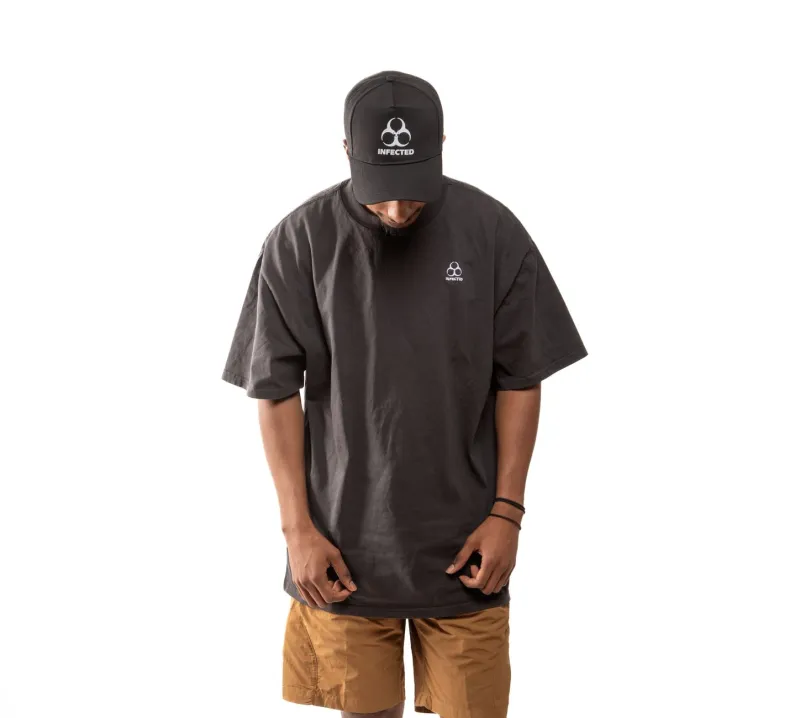
Here's something that trips people up every single time: you put on a larger cap, expecting to look like you just rolled out of bed, and instead you look... intentional. Polished, even. Like someone who made a decision this morning instead of just grabbing whatever was closest to the door.
That's not an accident. That's proportion science doing its job.
The oversized cap paradox is real, and once you see it, you can't unsee it. Bigger headwear — done right — doesn't make you look sloppy. It makes you look sharp in a way that fitted caps simply can't compete with. Stylists know this. Visual designers know this. And increasingly, the most fashion-forward people on American streets know it too. Here's why.
The Proportion Principle Nobody Talks About
Fashion has always been a game of balance. The reason a wide-lapel blazer looks intentional on the right frame, or why a chunky sneaker can make an entire outfit feel grounded — it's all about how one element relates to everything else in the composition.
Caps are no different. A fitted cap sits tight to the skull, essentially shrinking the visual weight of your head relative to your shoulders, your jacket, your overall frame. The result? Your outfit can end up looking top-heavy in the wrong direction — like the hat is an afterthought rather than an anchor.
An oversized cap, on the other hand, adds visual mass to the top of your silhouette in a way that actually balances a broader outfit. Stylists who work in streetwear consistently point to this when explaining why their clients look more composed in larger headwear. The hat becomes a crown, not a cap. It commands the eye upward and holds it there.
"When something is intentionally large, the brain reads it as a choice," says the general principle behind fashion psychology research on clothing perception. "When something looks accidentally small or tight, it reads as an afterthought." That distinction — choice versus afterthought — is everything.
Visual Hierarchy and Why Your Cap Is the Boss
In design, visual hierarchy refers to the order in which the eye processes elements in a composition. The biggest, boldest thing gets noticed first. Everything else follows.
Your outfit is a composition. And the moment you put on a well-proportioned oversized cap, you've established the hierarchy. The eye goes to the hat. Then it travels down through the rest of your look. That top-down read makes your entire outfit feel more organized — even if what's underneath is as simple as a white tee and cargo pants.
This is why fashion-forward consumers have gravitated toward statement headwear over the last several years. It's not just about being loud. It's about controlling the visual narrative of your look before anyone even registers the rest of your fit.
Fitted caps don't do this. They blend into the silhouette. They're fine — functional, even — but they don't lead. An oversized cap leads every single time.
The Before-and-After Nobody Shows You
Let's get practical for a second, because theory only takes you so far.
Take a standard streetwear fit: relaxed jeans, an oversized hoodie, fresh low-top sneakers. Throw a fitted cap on top of that and what do you get? A look that's technically fine but visually muddy. The hoodie is big, the jeans are relaxed, and then the cap is... small. It creates a deflating effect, like the outfit peaked at the shoulders and ran out of energy by the time it got to your head.
Now swap that fitted cap for a wide-brim oversized cap or a large-structured six-panel. Suddenly the look has a ceiling — literally and figuratively. The hat gives the silhouette somewhere to go. The eye travels up, lands on the brim, and the whole outfit snaps into focus. That's the before-and-after that nobody's showing you in the fitting room.
The same principle applies to more minimal fits. A clean monochromatic outfit — say, all-black or tonal earth tones — can feel flat without a strong focal point. An oversized cap in a contrasting color or textured material becomes the punctuation mark the look was missing. It finishes the sentence.
Intentionality Is the Real Flex
Here's the thing about looking sloppy: it's almost never about the size of your clothes. It's about whether your choices read as deliberate.
A massive puffer jacket isn't sloppy if it's styled well. Baggy trousers aren't sloppy if the rest of the fit is dialed in. And an oversized cap isn't sloppy — ever — if you're wearing it with purpose.
Purpose shows up in small ways. It's in how you position the brim (slightly off-center reads as confident, not careless). It's in whether your cap color echoes something else in your outfit. It's in the texture of the material relative to what you're wearing underneath. These micro-decisions are what separate someone who looks like they threw on a big hat from someone who looks like they built an outfit around one.
This is something the Grande Caps philosophy is built on: going big isn't a shortcut, it's a statement. And statements require intention.
Why Fitted Caps Can Actually Work Against You
Nobody wants to hear this, but it's true: a lot of people default to fitted caps because they feel "safe." Smaller, tighter, less risky. But safe doesn't always mean flattering.
For broader face shapes, a fitted cap can visually compress the head in a way that reads as unbalanced. For people with longer necks, a tight cap can make the proportions feel stretched. These aren't flaws — they're just realities that the right headwear can correct or enhance.
Oversized caps are more forgiving in this way. The added brim width and crown height create a frame around the face that works across a wider range of face shapes and body types. It's one of the reasons why oversized headwear has become such a staple across such a diverse range of American style communities — from skate culture to hip-hop to high fashion crossover. The silhouette is genuinely more universally flattering.
How to Make the Paradox Work for You
So how do you actually put this into practice without overthinking it?
Start with fit below the hat. If you're wearing an oversized cap, let the rest of your outfit do one of two things: match the energy with relaxed, voluminous pieces, or contrast it with something more streamlined underneath. Both work. What doesn't work is a medium-everything outfit with a medium hat — that's the look that actually reads as effortless in the wrong direction.
Pay attention to brim proportion. A wider brim works better with broader silhouettes. A deeper crown works well when you want height without width. These are small adjustments with big visual payoffs.
And don't underestimate color. A tonal cap (matching your outfit's color family) makes the oversized shape feel seamless. A contrasting cap makes it feel like a statement. Know which one you're going for before you walk out the door.
The Bottom Line
The oversized cap paradox isn't really a paradox once you understand what's happening. Bigger headwear commands attention, establishes visual hierarchy, and signals intentionality in a way that smaller caps simply can't. It's not about being loud for the sake of it. It's about understanding that in fashion — just like in life — the people who take up space with confidence are the ones who look like they belong in the room.
Go big. Look sharp. That's the whole move.