Go Wide or Go Home: The Real Science Behind Sizing Up Your Cap Game
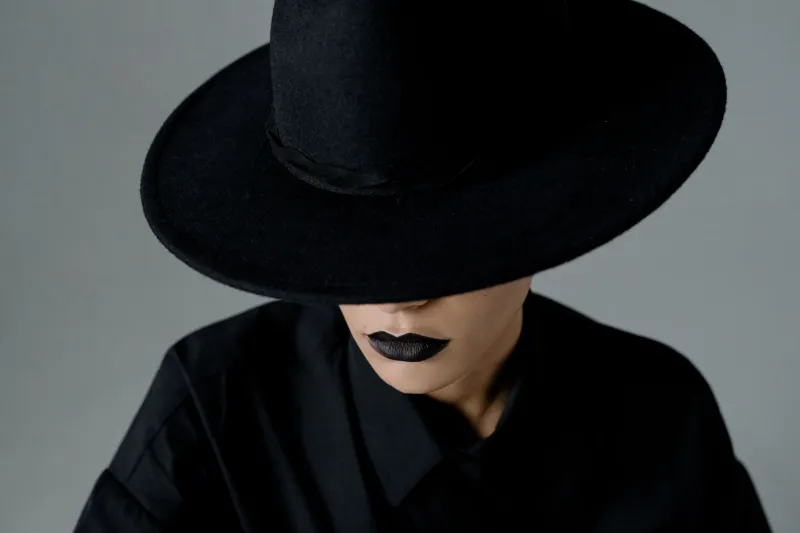
There's a moment every cap enthusiast talks about. You slide on an oversized hat for the first time — brim stretching wide, crown sitting tall — and something just clicks. The mirror doesn't lie. You look more intentional, more present, more you. And from that point on, going back to a standard-fit cap feels like wearing someone else's clothes.
Sizing up your cap game isn't a trend you stumble into. It's a decision. A philosophy, even. And like any craft worth mastering, it starts with understanding the fundamentals before you go big.
Why Proportion Is Everything
Here's the thing most people skip over: oversized headwear only works when it's proportional — not to some arbitrary fashion rulebook, but to you. Brim width, crown height, and hat circumference all interact with your body's natural geometry. Get that relationship right, and the cap elevates the entire fit. Get it wrong, and you just look like you grabbed the wrong size off a rack.
Start with your shoulder width. Broadly speaking, the brim of your cap should never feel like it's fighting your frame. For wider-shouldered builds, you've got room to go dramatically wide — a 4-inch or 5-inch brim reads as bold and intentional. For slimmer or shorter builds, a slightly more modest oversized brim (think 3 to 3.5 inches) still reads large without overwhelming your silhouette. The goal is contrast without chaos.
Crown height works on a similar principle. A taller crown adds vertical energy to your look — it draws the eye upward, which elongates your perceived height. Shorter crowns with wider brims, on the other hand, create a horizontal spread that reads more relaxed and grounded. Neither is wrong. They're just different statements.
The Outfit Equation: How Your Cap Talks to the Rest of Your Fit
Styling an oversized cap isn't just a head-down decision. The hat is in constant conversation with every other piece you're wearing. And if you want that conversation to sound like a statement instead of noise, you need to think about silhouette balance.
Baggy fits and oversized caps are natural partners. Wide-leg pants, oversized hoodies, boxy tees — these silhouettes share the same design language as a large-brimmed hat. They're all working with generous proportions, which creates a cohesive, intentional look that streetwear has been perfecting for decades. Think of it as volume harmony.
But here's where it gets interesting: oversized caps can also work against a fitted silhouette, and that tension is exactly what makes the look pop. A structured, wide-brimmed cap sitting above a slim-cut jacket or tapered trousers creates deliberate contrast. The hat becomes the exclamation point on an otherwise clean sentence. It's a styling trick that the most confident dressers in cities like New York, Atlanta, and LA have been running for years.
The one rule? Don't let the cap compete with too many other statement pieces. If your hat is doing the heavy lifting, let the rest of your fit play support.
Real Talk From People Who Made the Switch
Marcos, 28, from Houston, remembers the exact moment he stopped buying regular caps. "I was at a block party and this dude walked in with this wide-brimmed snapback — like, genuinely oversized. And everyone noticed. Not because it was loud or flashy, but because it just fit his whole vibe perfectly. I went home and ordered my first oversized cap that night."
He hasn't looked back. "I tried going back to a regular fitted once for a job interview, just to play it safe. Felt like I was wearing a costume. The oversized cap is just who I am now."
That sentiment comes up again and again. Destiny, 24, from Chicago, describes the switch as less about fashion and more about confidence. "When your hat is that intentional, your whole posture changes. You walk different. People treat you different — like you made a choice on purpose and you own it."
That ownership is really the whole point.
Brim Width Breakdown: Finding Your Starting Point
If you're new to sizing up, it helps to have a starting framework. Here's a loose guide based on what tends to work across different builds:
2.5 to 3 inches: The entry point. Still reads as oversized compared to a standard cap, but approachable. Good for first-timers or more conservative dressers who want to test the waters.
3 to 4 inches: The sweet spot for most people. Wide enough to make a clear statement, proportional enough to work across a variety of body types and outfit styles. This is where the majority of Grande Caps fans land.
4 to 5+ inches: Full commitment territory. This is the look that stops people on the street. Best suited for taller frames or those who've fully leaned into the oversized aesthetic and understand how to balance the rest of their fit around it.
Start where you're comfortable, but don't be afraid to push past it. The whole point is to go bigger than you think you need to.
Crown Height and What It Signals
Beyond the brim, crown height is the other variable that separates a truly oversized cap from something that just runs a little large. A high crown — think structured snapbacks or tall bucket hats — carries a certain authority. It's a silhouette that reads powerful, almost architectural. There's a reason so many hip-hop artists and streetwear icons gravitate toward the tall crown: it commands vertical space.
A lower, flatter crown with a wide brim leans more relaxed — think sun hat energy, but street-coded. It's the cap you wear when you want to look effortless rather than forceful. Both are valid. Both are statements. The key is knowing which one matches the energy you're bringing that day.
The Point of No Return
Here's what nobody tells you before you size up: once you understand proportion, once you feel the difference an intentional oversized cap makes to your whole look, the standard sizing genuinely stops making sense. It's not nostalgia you're leaving behind — it's a limitation.
Going bigger isn't a trend that'll fade when the algorithm moves on. It's a permanent upgrade in how you think about headwear, about proportion, about the statement you make just by walking into a room. The brim is wider. The crown is taller. The message is clearer.
And yeah — it's louder. That's the whole point.